

Categories
Purchasing Advice, Real Estate Investment TipsPublished October 23, 2026
Understanding Short-Term Rentals in Summit County, Colorado

What Buyers and Owners Need to Know:
Owning a mountain property in Summit County, Colorado, is a dream for many. Whether it's a ski-in/ski-out condominium in Keystone, a townhome in Breckenridge, or a mountain retreat overlooking Lake Dillon, the opportunity to enjoy the Colorado lifestyle while generating rental income can be especially appealing. But if you're considering purchasing a property to use as a short-term rental (STR), there's something important to understand: Not all properties in Summit County have the same rental opportunities, and the rules can change significantly depending on where a property is located.
In recent years, short-term rentals (any property rented for fewer than 30 consecutive days) have become a major topic throughout Summit County. Local governments have introduced licensing requirements, rental restrictions, and neighborhood-specific regulations to balance tourism, residential housing, and the needs of the local workforce. Understanding these rules before purchasing or selling can make a significant difference in your real estate decisions. Owning a property in a popular vacation area doesn't automatically mean it can be legally rented on a short-term basis.
Different Towns, Different Rules
One of the most common misconceptions among buyers is that Summit County has one set of short-term rental regulations. In reality, each incorporated town establishes its own requirements, while unincorporated areas fall under Summit County's regulations. Here is a general overview of the current regulatory landscape.
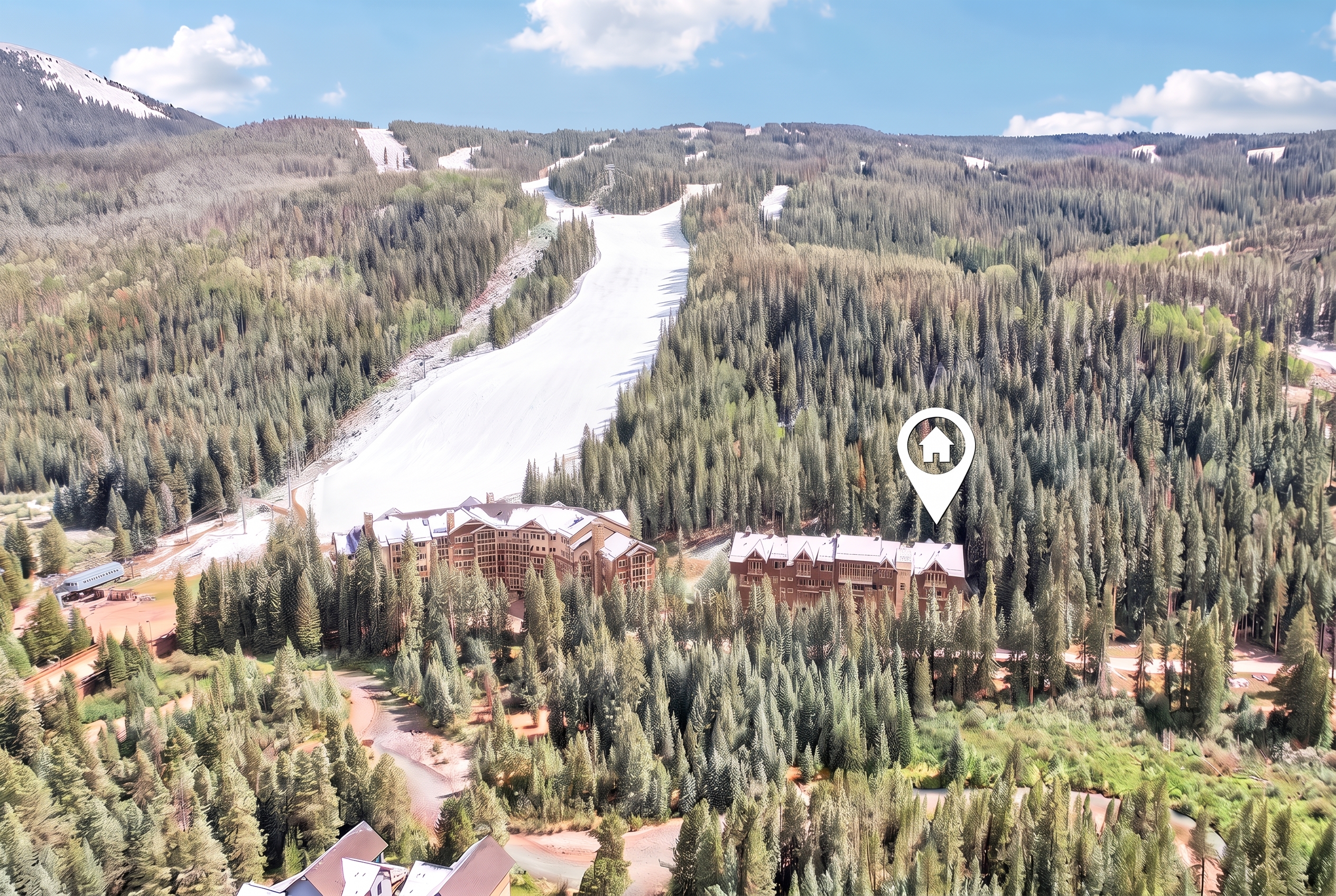
Keystone is particularly attractive to buyers interested in short-term rental opportunities. Since becoming an incorporated town, Keystone has administered its own STR licensing program. As of October 2026, the town does not have a numerical cap on STR licenses, although licensing, taxes, safety requirements, and HOA restrictions still apply. This distinction is particularly important when comparing resort-area condominiums with properties in nearby residential neighborhoods.
Breckenridge has established four short-term rental zones with different licensing limits. Certain resort-oriented areas have different restrictions than traditional residential neighborhoods. Some areas have waiting lists for new licenses.
Because licenses generally do not transfer when a property sells, buyers should not assume they can continue the previous owner's rental operations.
Frisco limits STR licenses to a percentage of its residential housing inventory, currently 25%. A waiting list is in place for new licenses. As of the town's October 13, 2026 Council discussion, there were approximately 924 active licenses and an estimated nine-month wait for applicants. The Town Council is also evaluating changes to how eligible housing inventory is calculated.
Silverthorne has different rental caps depending on the neighborhood. Most residential areas are subject to a 10% cap, while the Town Core and Riverfront areas have a 50% cap. Short-term rentals are not permitted in deed-restricted neighborhoods.
These distinctions can create very different rental opportunities within the same town.
Dillon requires short-term rental licensing and compliance with its operating regulations. Buyers should pay particular attention to whether a property is actually within Dillon's town limits. A Dillon mailing address doesn't necessarily mean a property is regulated by the Town of Dillon. For example, Dillon Valley is outside the incorporated town and falls under Summit County jurisdiction.
Five Questions to Ask Before Buying a Short-Term Rental
Before purchasing a mountain property with rental income in mind, make sure you can answer these questions:
1. Is short-term renting legally permitted at this specific address? Verify the town or county jurisdiction and applicable zone.
2. Can I obtain a new STR license after closing? Existing licenses may not transfer with ownership.
3. Does the homeowners association allow vacation rentals? Review governing documents and rental restrictions.
4. What are the actual rental expenses and income potential? Request historical rental information where available and evaluate realistic operating costs.
5. How will I use the property personally? Consider whether you want a full-time investment property, an occasional vacation rental, or a second home primarily for family enjoyment.
Local Experience Makes a Difference
With so many different regulations throughout Summit County, understanding the details of a particular property has never been more important.
At Colorado Real Estate Company – Summit Living, we help buyers and sellers navigate the local real estate market, including understanding how short-term rental regulations may influence a property's use, marketability, and value. Whether you're searching for a mountain getaway, evaluating an investment property, or considering selling a home with rental potential, we're here to help you make an informed decision.
Experience. Results. Reputation.

Jason Smith
| Summit Living | Colorado Real Estate Company | PLACE
or another way